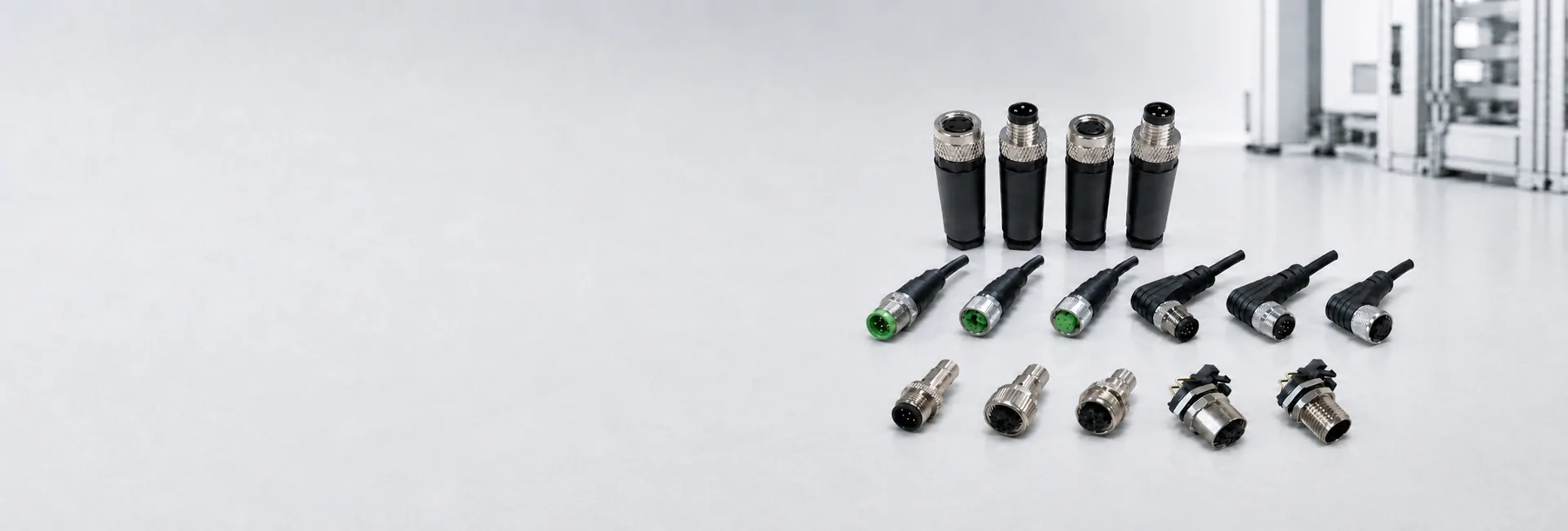
M-Series Circular Connectors
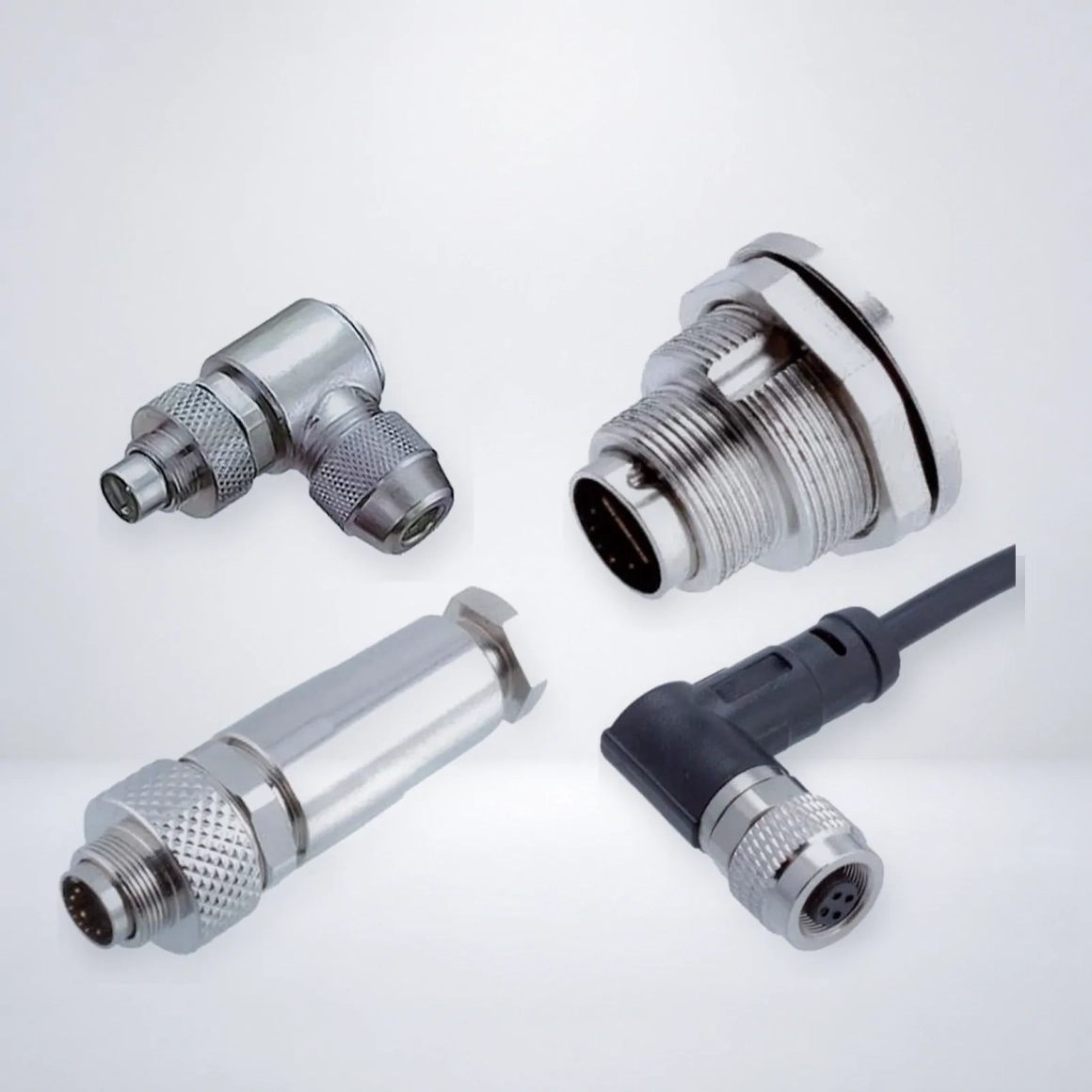
WLconnectivity circular connectors are reliable connection solutions for industrial automation and sensor applications. The product range includes M5, M8, M9, M12, M16, M23, and 7/8 circular connectors, allowing users to select the appropriate connector for signal, data, or power transmission.
Designed for demanding industrial environments, these connectors provide waterproof, dust-resistant, and vibration-resistant performance. Various coding options help prevent mismating and ensure secure connections. WLconnectivity circular connectors are suitable for industrial equipment, sensors, robotics, transportation systems, and outdoor devices.
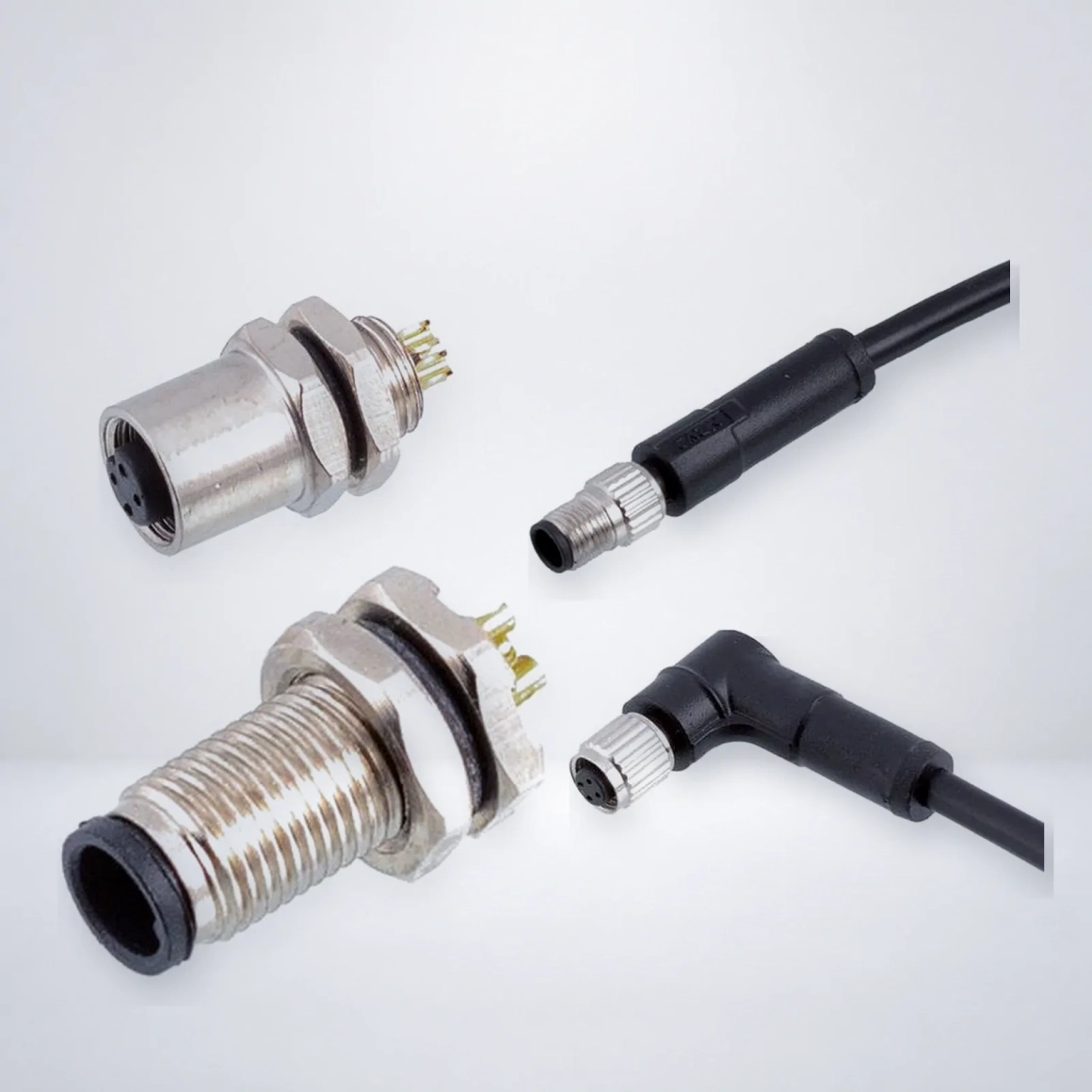
M5 Circular Connectors
- No. of Contacts: 3, 4
- Coding: A-code
- IP Rating: IP67
- Termination Options: Solder, PCB solder, overmolded cable
- Product Styles: Front- and rear-mount panel receptacles; straight and right-angle cable assemblies; male and female versions
- Rated Electrical Options: 1 A; 60 V AC / 60 V DC
- Operating Temperature: -20 °C ~+80 °C
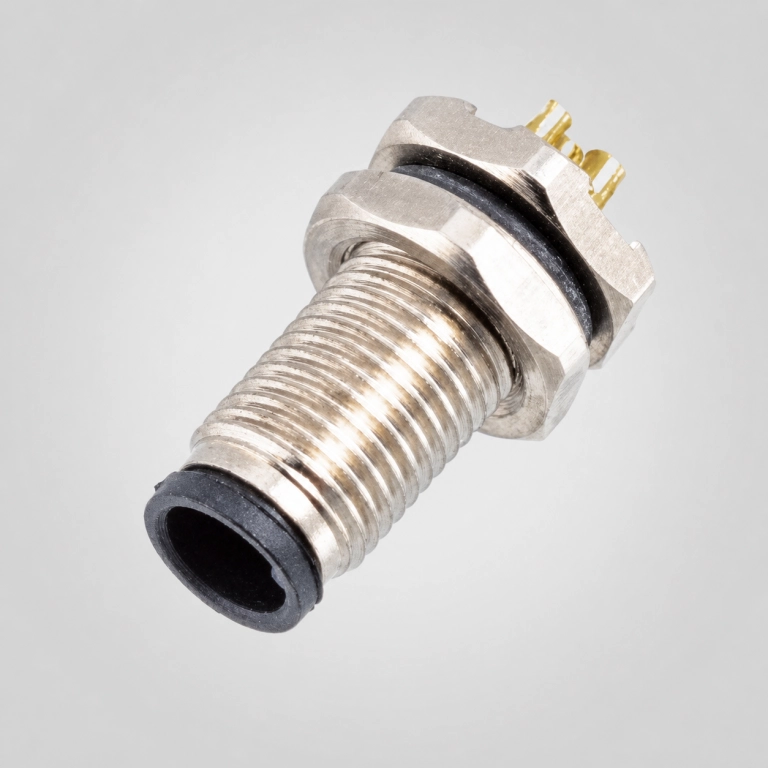
M5 A-Coded Male Front-Mount Panel Receptacle with Solder-Wire Termination (3-Pin / 4-Pin)
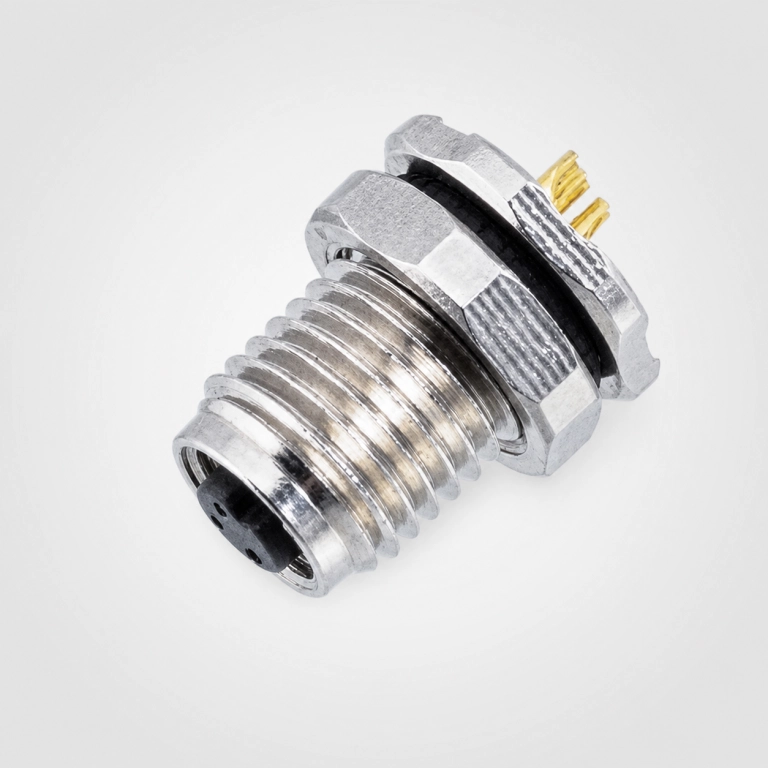
M5 A-Coded Female Front-Mount Panel Receptacle with Solder-Wire Termination (3-Pin / 4-Pin)
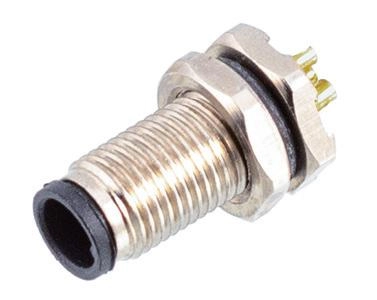
M5 Male Front Mount Receptacle | Solder Type | Front Lock
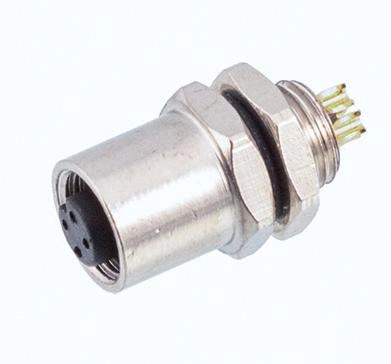
M5 Female Rear Mount Receptacle | Solder Type | Rear Lock
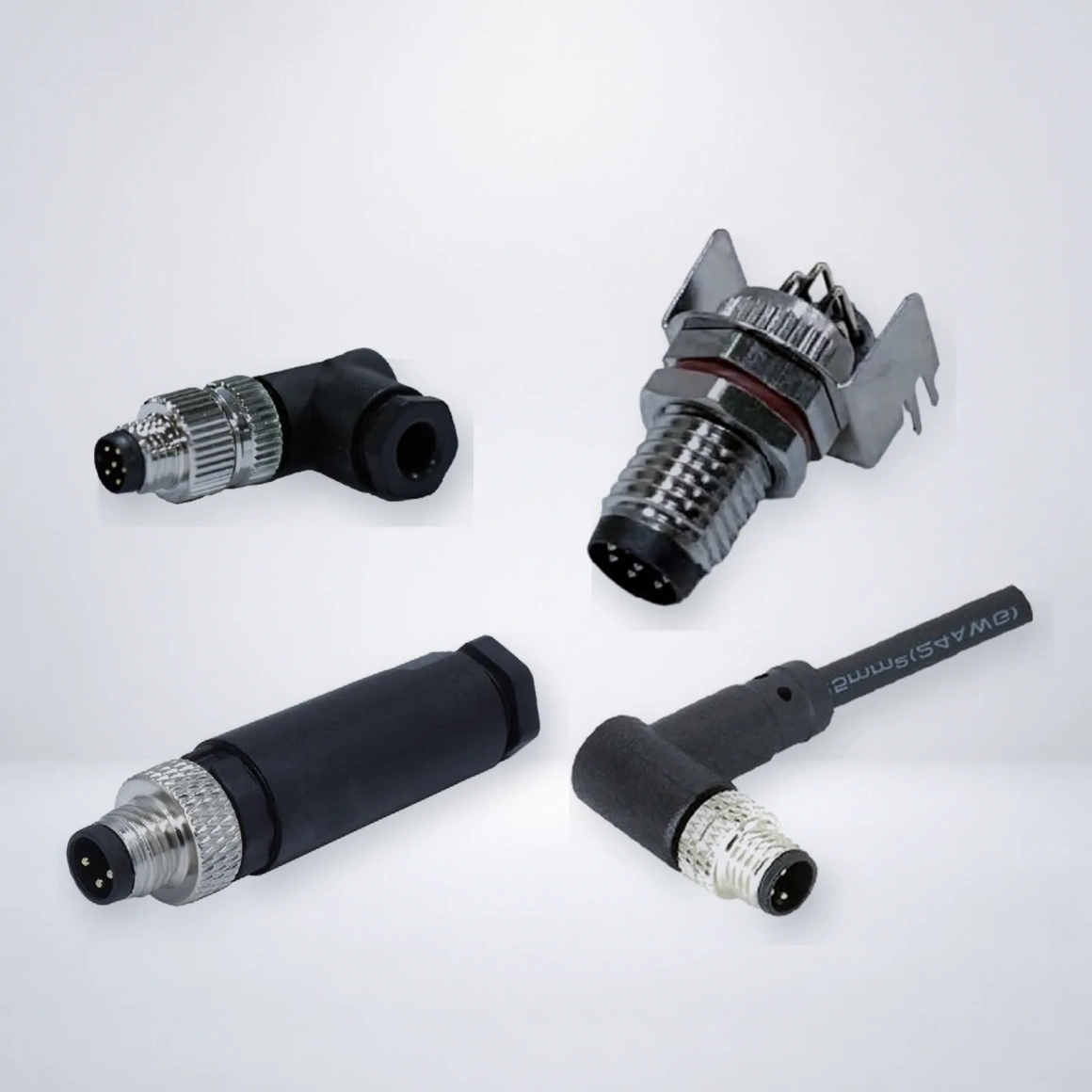
M8 Circular Connectors
- Standard: IEC 61076-2-104
- No. of Contacts: 2, 3, 4, 5, 6, 8
- Coding: A-code, B-code, D-code
- IP Rating: IP67 or IP67/IP68, depending on model
- Coupling: Threaded locking
- Termination Options: Screw crimping, solder, dip-solder, PCB solder, overmolding
- Product Styles: Field-attachable plugs, panel receptacles, PCB receptacles and straight/right-angle cable assemblies
- Rated Electrical Options: 1 to 4 A; 30 V or 60 V
- Operating Temperature: -25 °C to +85 °C
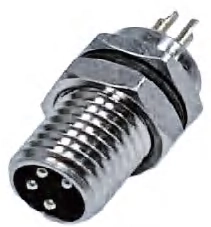
M8 Male Front Mount Receptacle | Solder Type | SW10-16L Full Metal
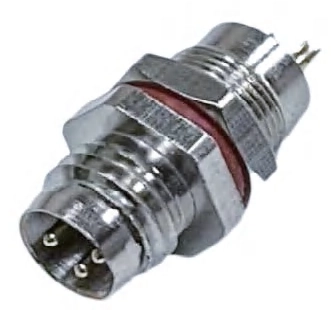
M8 Male Front Mount Receptacle | Solder Type | SW10-17.6L Full Metal | Wire End
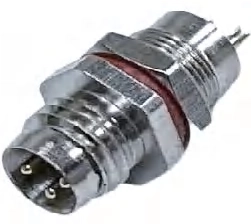
M8 Male Front Mount PCB Receptacle | Through-Hole Type | SW10-17.6L Full Metal
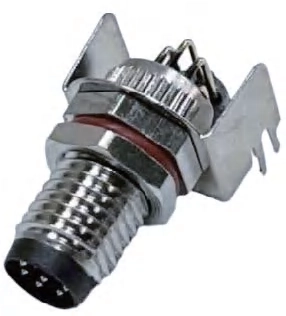
M8 Male Right Angle PCB Receptacle | Through-Hole Type | M8x1 Thread | Shielded with Grounding
M9 Series Circular Connectors
- No. of Contacts: 2 to 8
- Coding: A-code
- IP Rating: IP67
- Termination Options: Solder, PCB solder, overmolded cable
- Product Styles: Metal field-attachable plugs, front- and rear-mount panel receptacles and straight/right-angle cable assemblies
- Rated Electrical Options: 1 A, 3 A or 4 A; 125 V AC / 125 V DC
- Operating Temperature: -40 °C to +85 °C
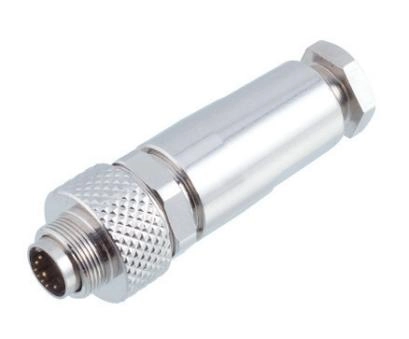
M9 Male Straight Metal Assembly Plug | Solder Type
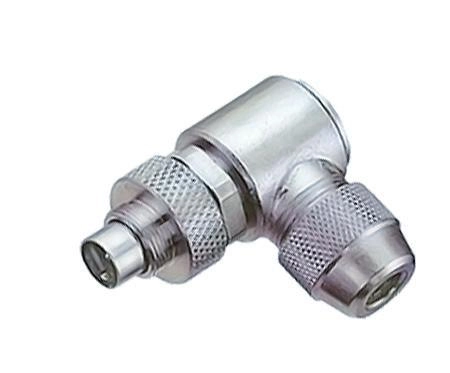
M9 Male Right Angle Metal Assembly Plug | Solder Type
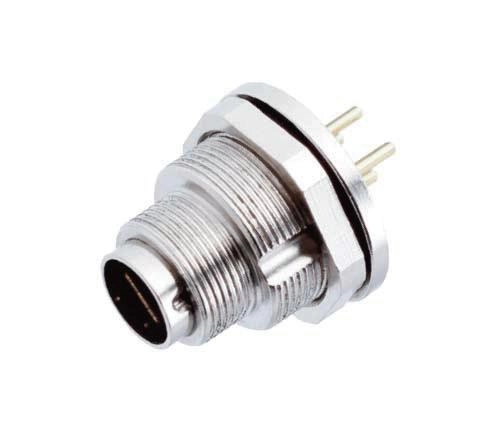
M9 Front Mount Male Receptacle | PCB Mount | Solder Pins
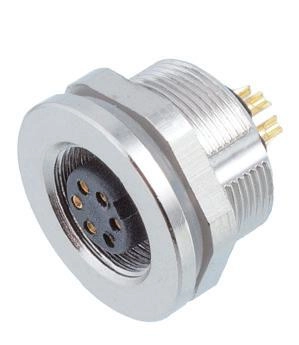
M9 Rear Mount Female Receptacle | Solder Type
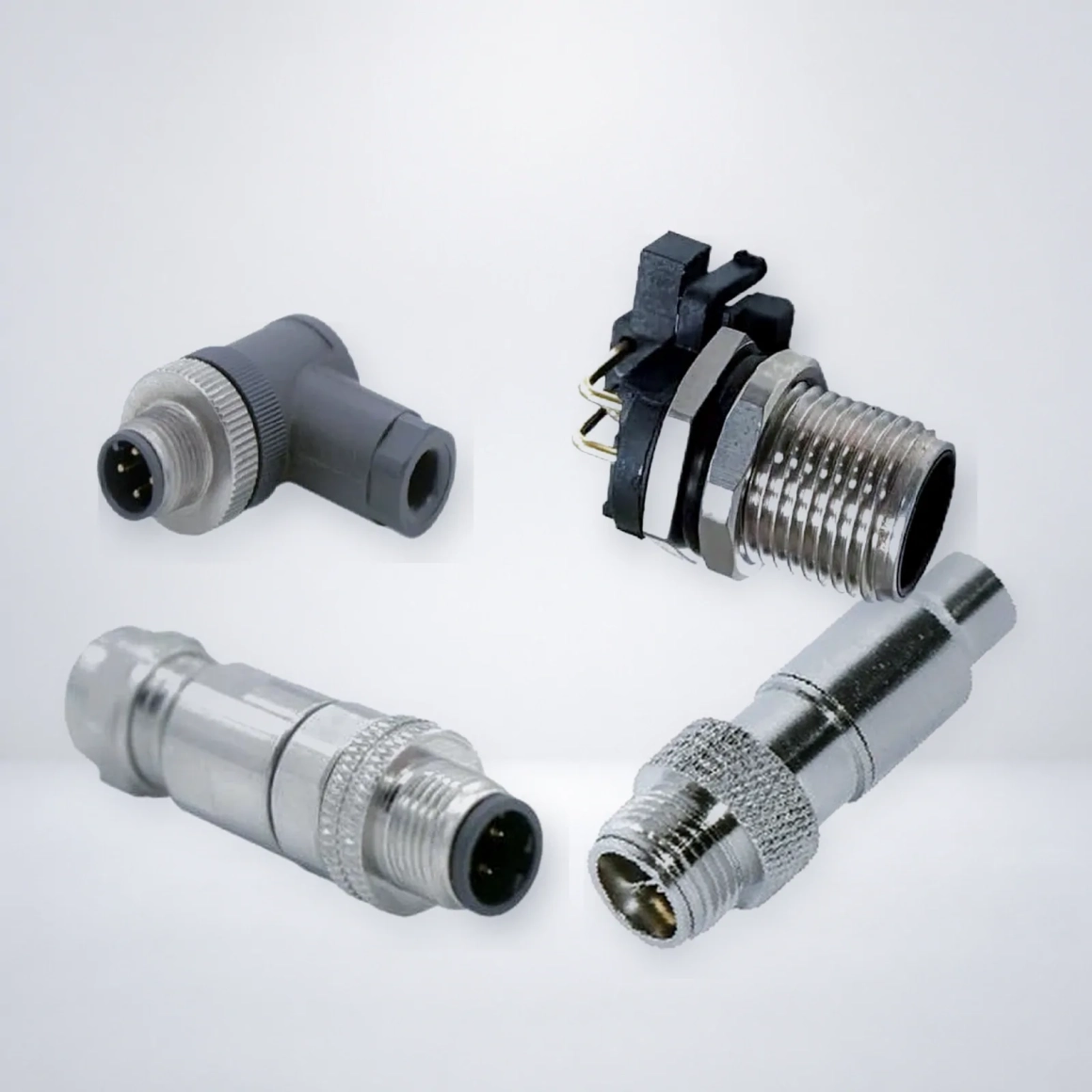
M12 Circular Connectors
- Standard: IEC 61076-2-101
- No. of Contacts: 2 to 17
- Coding: A-code, B-code, D-code, X-code, L-code, T-code, S-code
- IP Rating: IP65/IP67, IP66, IP67 or IP67/IP68, depending on model
- Coupling: Threaded locking
- Termination Options: Screw crimping, solder, dip-solder, PCB termination and overmolding
- Product Styles: Field-attachable plugs, panel receptacles, PCB receptacles and straight/right-angle cable assemblies
- Rated Electrical Options: 0.5 to 16 A; 30 to 630 V, depending on configuration
- Operating Temperature: -25 °C to +85 °C
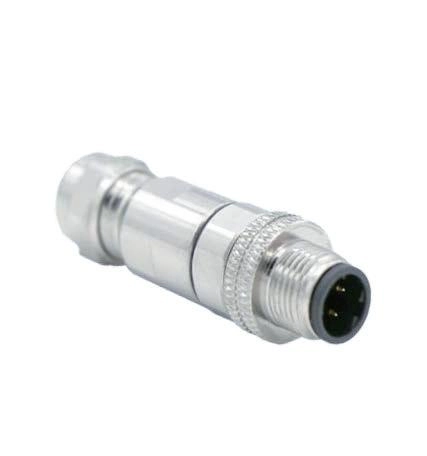
M12 Male Straight Metal Assembly Plug | Screw Termination | Shielded
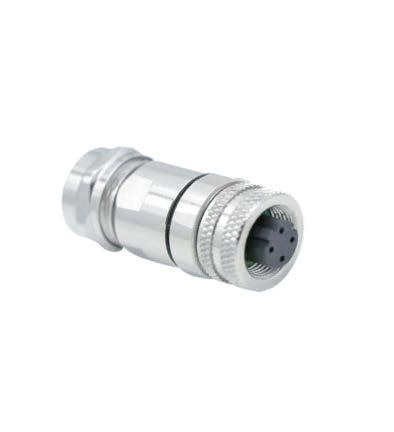
M12 Female Straight Metal Assembly Plug | Screw Termination | Shielded
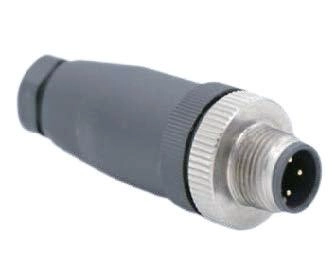
M12 Male Straight Plastic Assembly Plug | Screw Termination
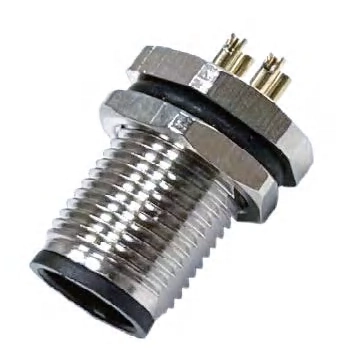
M12 Front Mount Male Receptacle | Solder Type | SW15T(02–08 Pin)
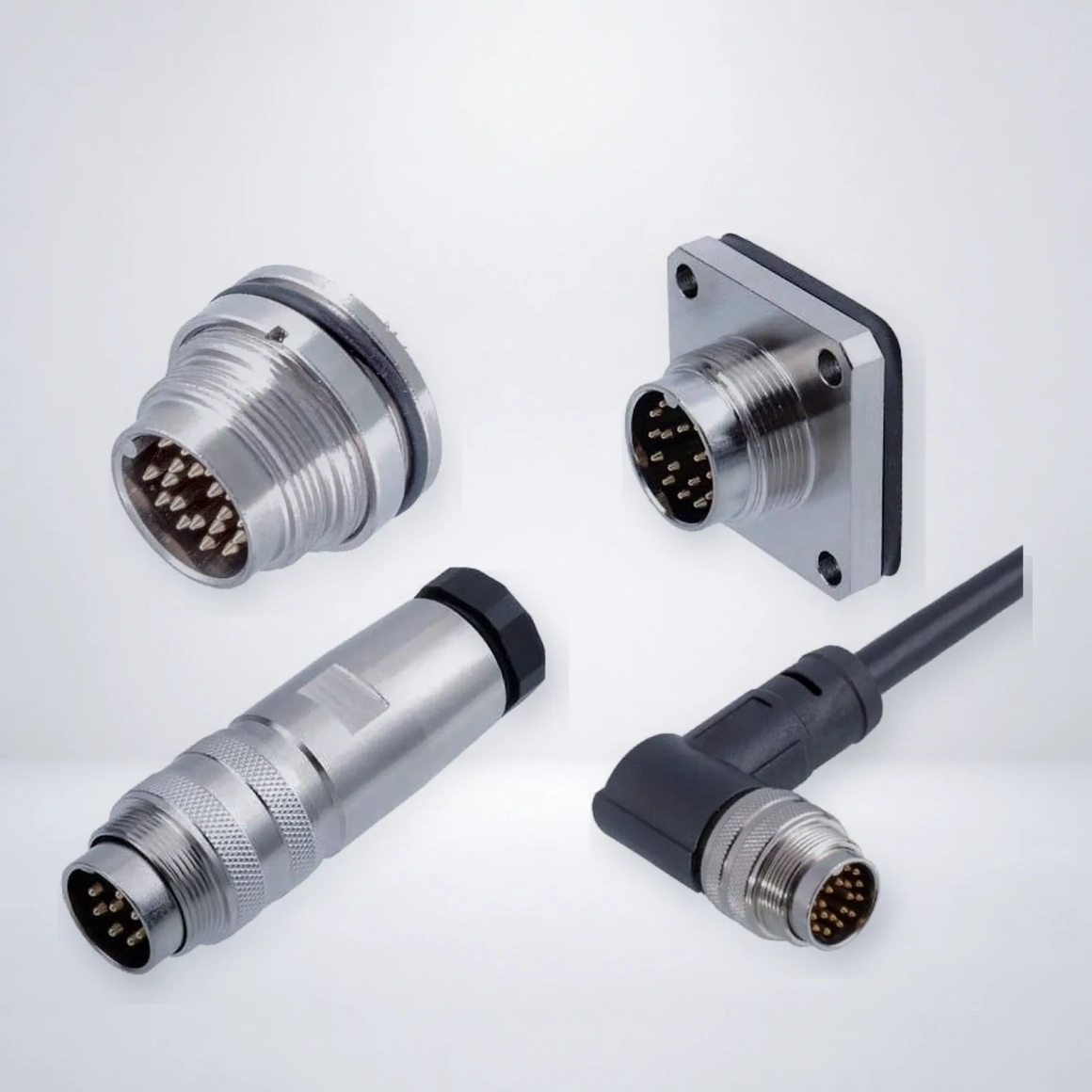
M16 Circular Connectors
- No. of Contacts: 2, 3, 4, 5, 6, 7, 8, 12, 14, 16, 19, 24
- Coding: Standard keying
- IP Rating: IP67/IP68
- Termination Options: Crimp, solder, PCB solder and overmolded cable
- Product Styles: Metal field-attachable plugs, front/rear panel receptacles, square-flange receptacles and straight/right-angle cable assemblies
- Rated Electrical Options: 1 to 7 A; 60 V, 125 V or 250 V AC/DC
- Operating Temperature: -20 °C to +80 °C
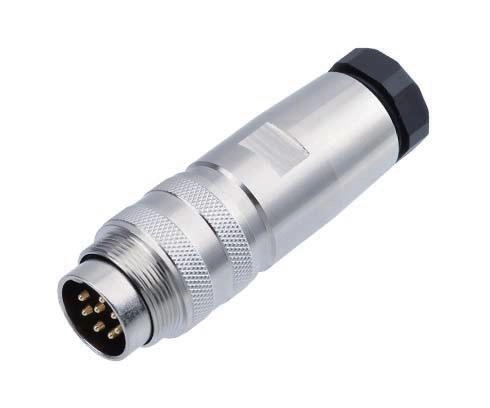
M16 Male Straight Metal Assembly Plug | Crimp Type
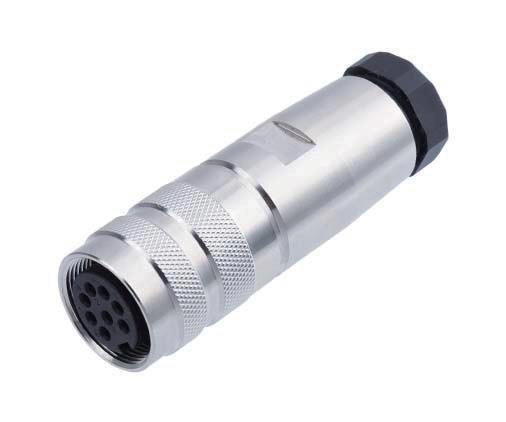
M16 Female Straight Metal Assembly Plug | Crimp Type
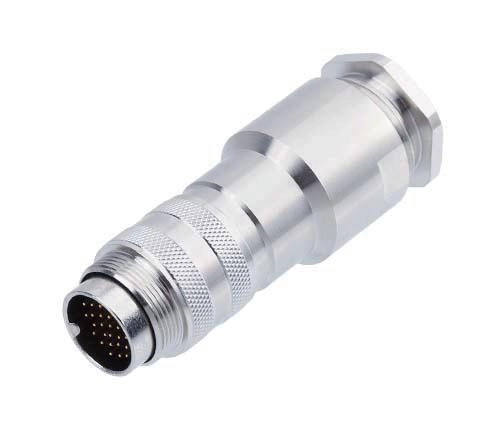
M16 Male Straight Metal Assembly Plug | Solder Type
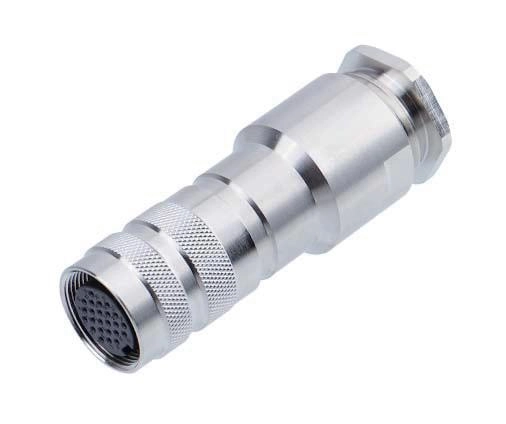
M16 Female Straight Metal Assembly Plug | Solder Type
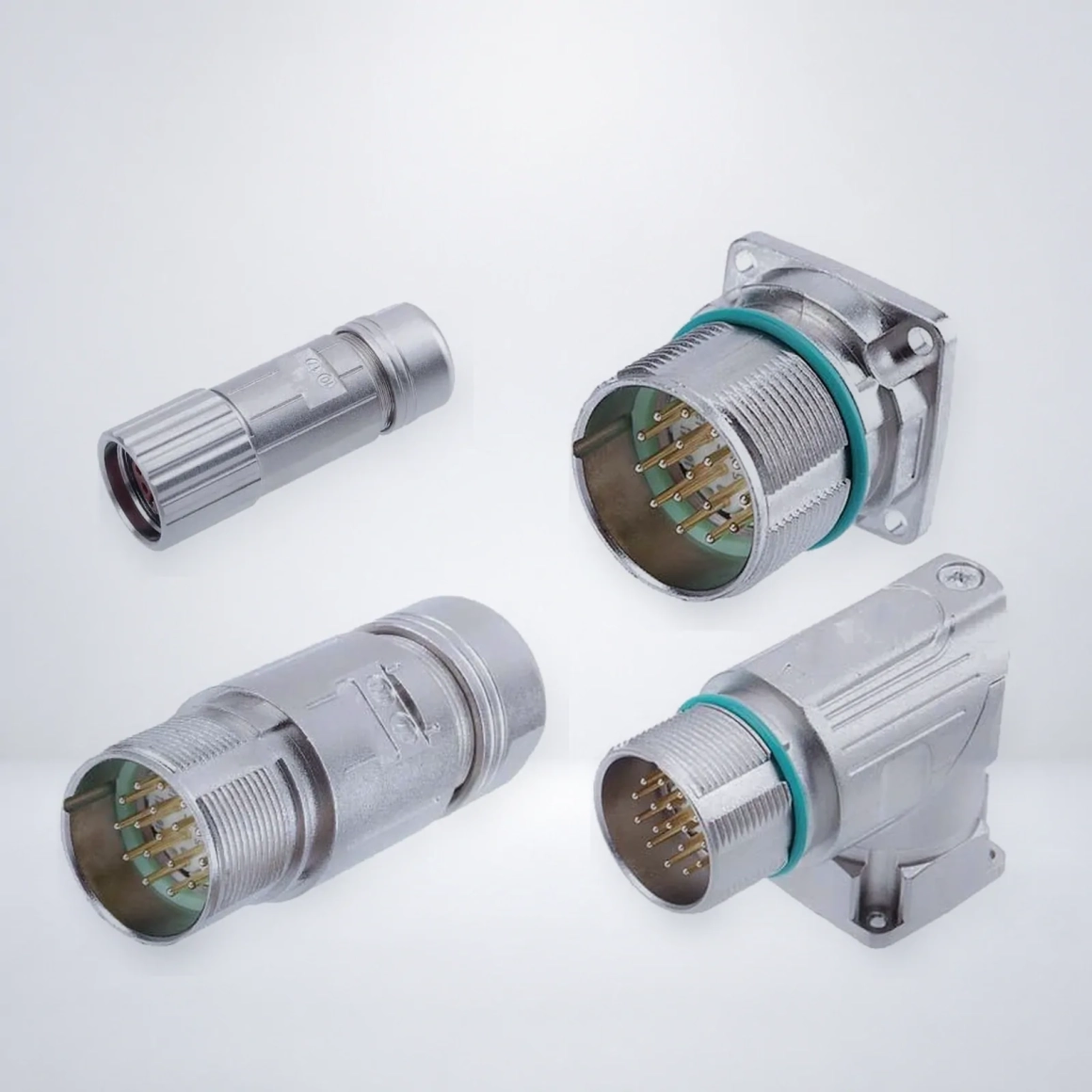
M23 Series Circular Connectors
- Product Variants: Signal and power connectors
- No. of Contacts: 6, 7, 8, 9, 9P, 12, 17
- Coding: A-code
- IP Rating: IP67
- Termination: Crimp
- Product Styles: Straight metal plugs, inline plugs and straight/right-angle square-flange receptacles
- Rated Electrical Options: 8 to 30 A, including mixed-current layouts; 150 to 630 V depending on configuration
- Operating Temperature: -40 °C to +125 °C
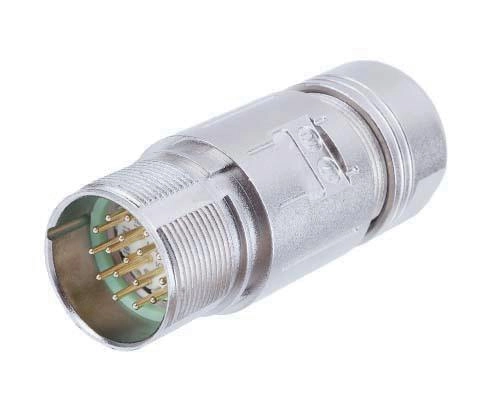
M23 Male Straight Signal Metal Assembly Plug | Crimp Type | PG
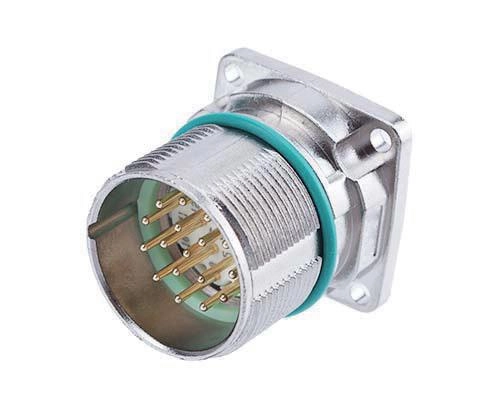
M23 Male Straight Signal Square Flange Socket | Crimp Type | 19.8x19.8
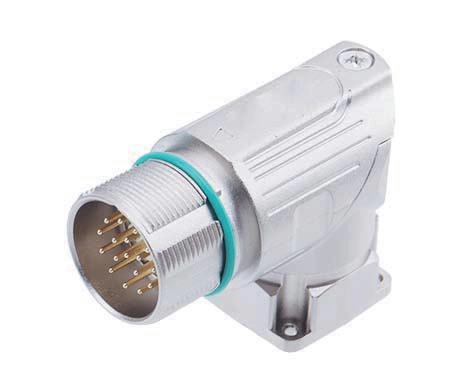
M23 Male Right Angle Signal Square Flange Socket | Crimp Type | 19.8x19.8
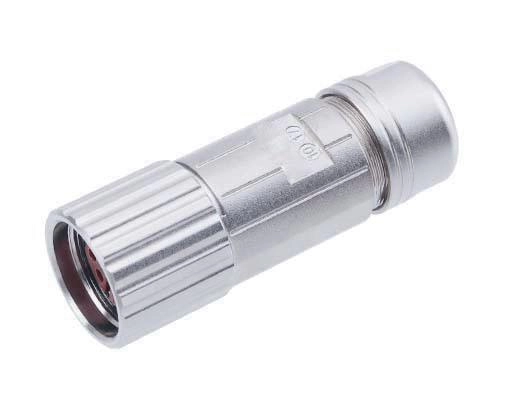
M23 Female Straight Power Metal Assembly Plug | Crimp Type | PG
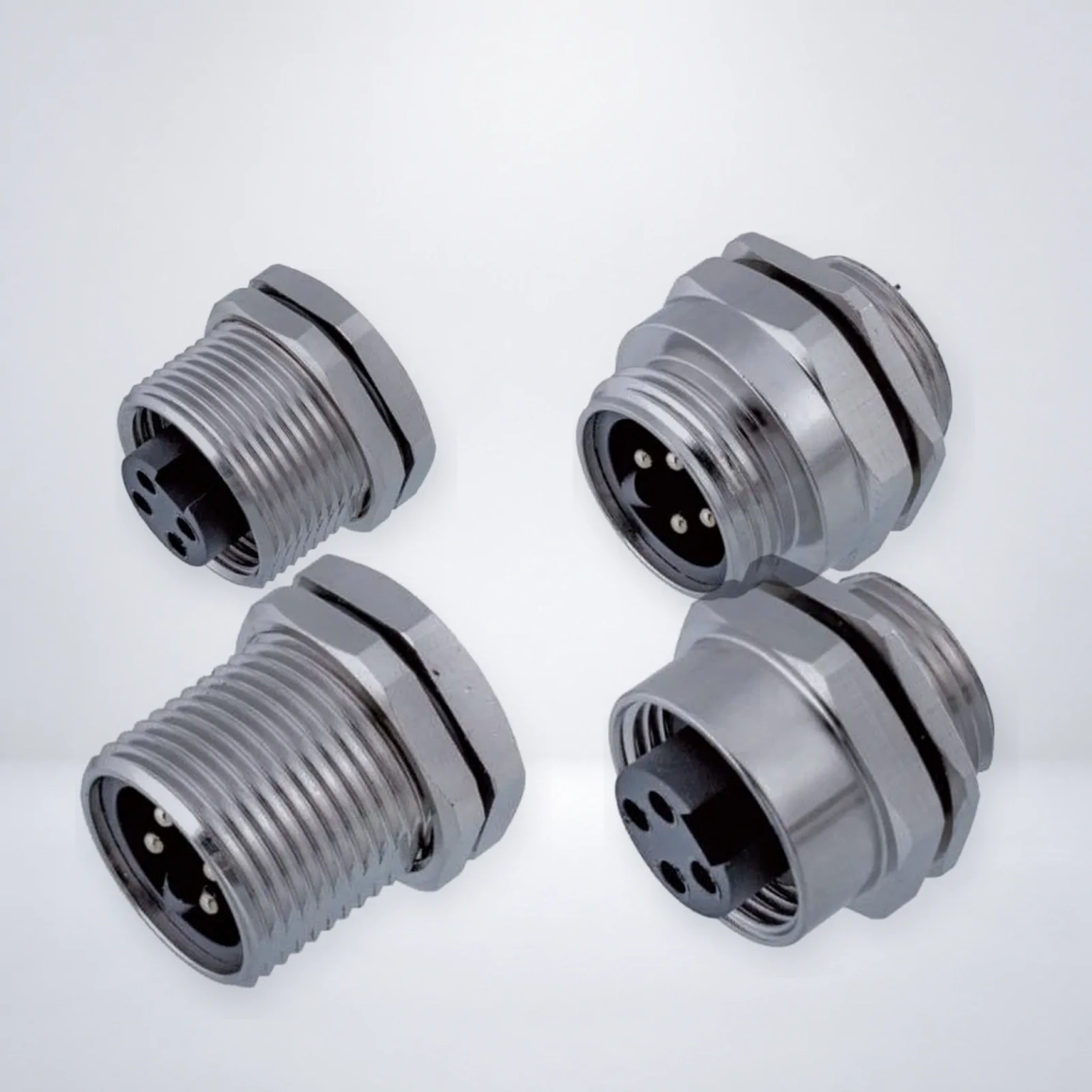
7/8 Circular Connectors
- No. of Contacts: 3, 4, 5, 6
- Coding: A-code
- IP Rating: IP67
- Mounting: Front- or rear-mount panel receptacle with PG13.5 mounting thread
- Termination: Solder
- Product Styles: Male and female panel receptacles
- Rated Electrical Options: 5 A, 6 A or 7 A; 250 V AC/DC
- Operating Temperature: -20 °C to +80 °C
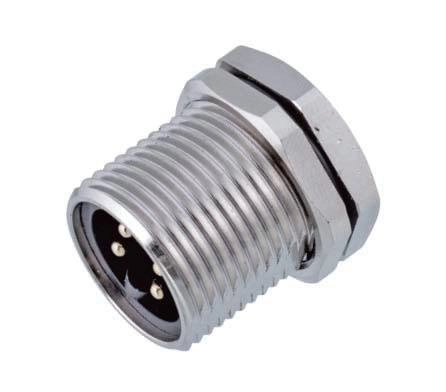
7/8 Front Mount Male Receptacle | Solder Type | PG13.5
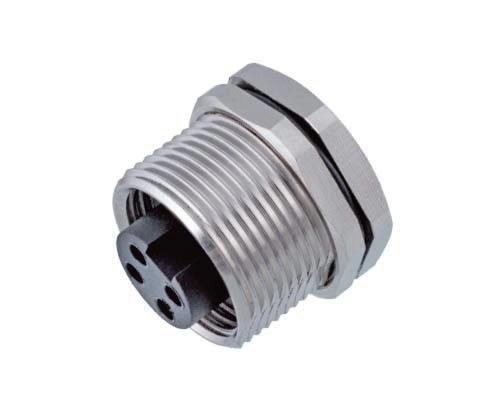
7/8 Front Mount Female Receptacle | Solder Type | PG13.5
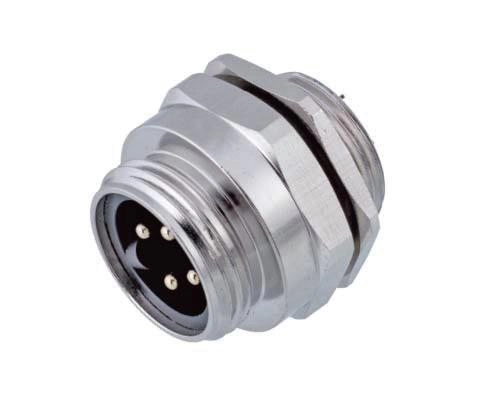
7/8 Rear Mount Male Receptacle | Solder Type | PG13.5
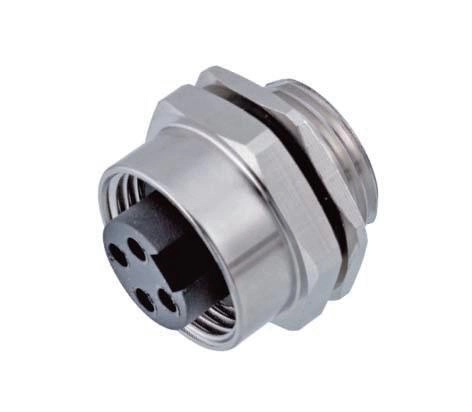
7/8 Rear Mount Female Receptacle | Solder Type | PG13.5
Need Help Choosing the Right Connector?

Meaning of M-type connector coding
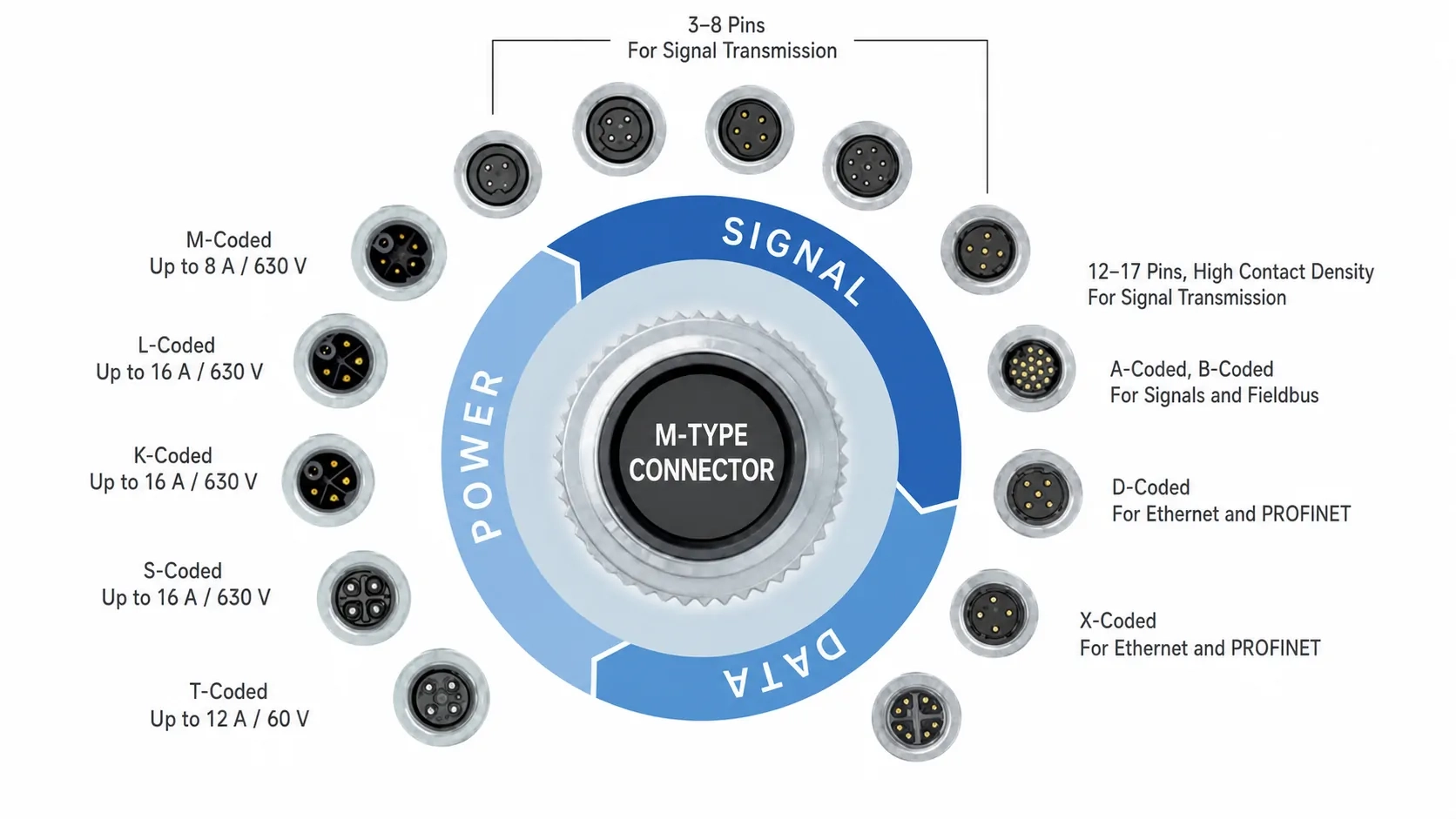
Coding | Description |
|---|---|
| A-Coded | Suitable for sensors, actuators, IO-Link devices, and peripheral equipment, with 2-to 17-pin connector options typically available. It supports signal transmission over 1 Gbps Ethernet connections and can also be used for DC power connections. |
| B-Coded | Suitable for control systems and fieldbus communication protocols such as PROFIBUS and INTERBUS. It typically uses a 5-pin connector and is designed for specific communication requirements in industrial automation. |
| C-Coded | Suitable for AC power connections, generally with 3- to 6-pin connector options. It is used for sensors and actuators requiring AC power and can be replaced by an S-coded connector. |
| D-Coded | Supports 100 Mbit/s Ethernet connections. The connector has four pins and is typically used with CAT5e cables. It is suitable for medium-speed industrial Ethernet applications such as PROFINET, rail-transit CCTV control systems, servos, and encoders. |
| X-Coded | Designed specifically for high-speed data transmission, it supports Ethernet connections at speeds of up to 10 Gbps and typically uses an 8-pin connector. It is suitable for industrial communications, industrial network cabling, video surveillance, and other applications requiring high-speed Ethernet transmission. |
| K-Coded | Suitable for applications with special AC power connection requirements. Its special 5-pin configuration can simultaneously transmit control signals, status information, and power. It provides a compact, high-current, high-voltage connection solution with IP67/IP68 protection for harsh industrial automation environments involving high temperatures, high humidity, or severe vibration, ensuring precise and reliable connectivity. |
| L-Coded | Suitable for power connections in industrial equipment requiring high-power transmission, such as PROFINET system components and power supply units. It provides a compact, high-current connection solution with IP67/IP68 protection for harsh industrial automation environments, enabling more precise and flexible connectivity. |
| S-Coded | Designed specifically for AC power connections, the connector offers excellent shielding performance and a high level of protection, meeting the demanding power-connection requirements of industrial automation. It is mainly used for AC power connections in automated electrical and electronic equipment and can replace C-coded power components. |
| T-Coded | Designed specifically for DC power connections, the connector offers high reliability, IP67 or higher water resistance, and broad applicability. It is mainly used in industrial automation equipment requiring DC power connections and can replace A-coded power components. |
The Role of M-Type Connector Coding
A-, B-, D-, and X-coded configurations are currently among the most widely used coding options for M-type connectors. A-coded connectors are commonly used with general-purpose sensors and encoders; B-coded connectors are specifically designed for PROFIBUS applications; D-coded connectors are suitable for high-speed communications requiring strong interference resistance; and X-coded connectors are increasingly becoming the preferred choice for high-speed Industrial Ethernet, with the potential to replace some existing A- and D-coded solutions.
Thanks to their excellent mechanical performance and reliable signal transmission, M-type connectors are widely used across numerous industries. Users can select the most appropriate coding according to their specific applications and requirements.
As a professional circular connector manufacturer, Electronic Valley offers M-type circular connector solutions in a range of coding configurations, enabling reliable and efficient transmission of signals, data, and power in diverse industrial environments.
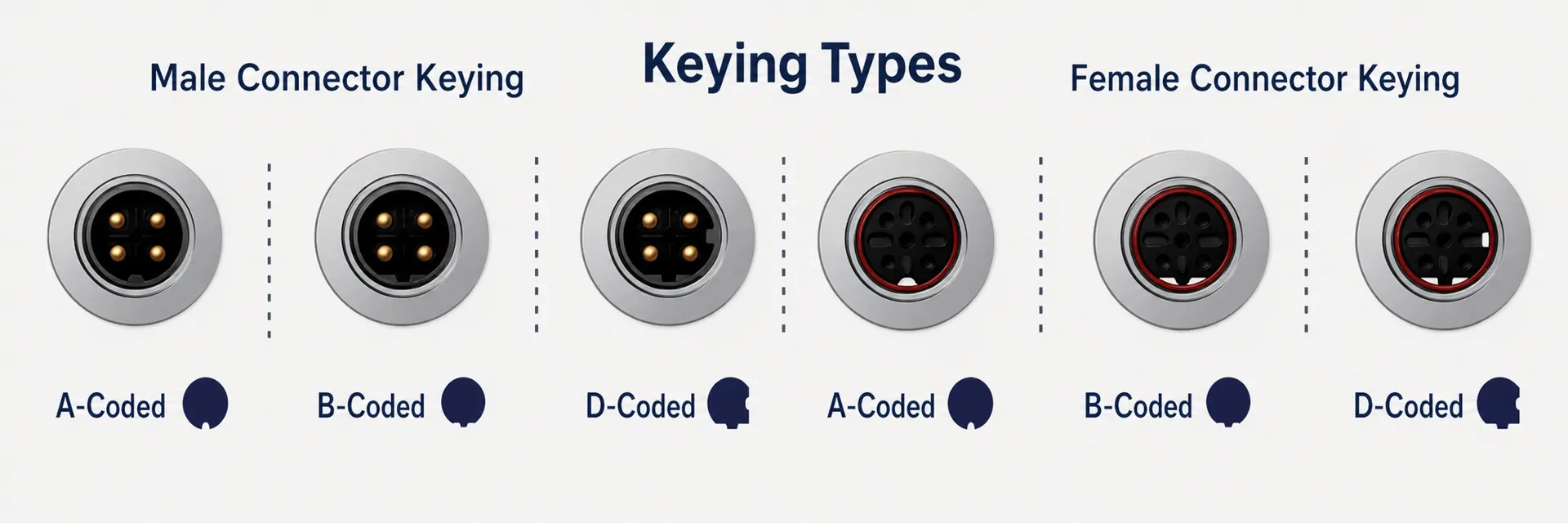
Prevents Mismating
The mechanical coding ensures that a plug can mate only with a receptacle of the corresponding code. It reduces incorrect insertion and alignment errors, including those that may occur during blind mating, helping prevent equipment failure or damage and improve operational safety.
Provides EMI/RFI Shielding
Most coded M-type connectors incorporate shielding to reduce electromagnetic and radio-frequency interference (EMI/RFI), helping ensure stable and reliable data transmission.
Identifies Electrical Characteristics
Coding clearly identifies the connector’s intended electrical characteristics, such as supported Ethernet data rates and power supply types, helping users select and apply the correct connector.