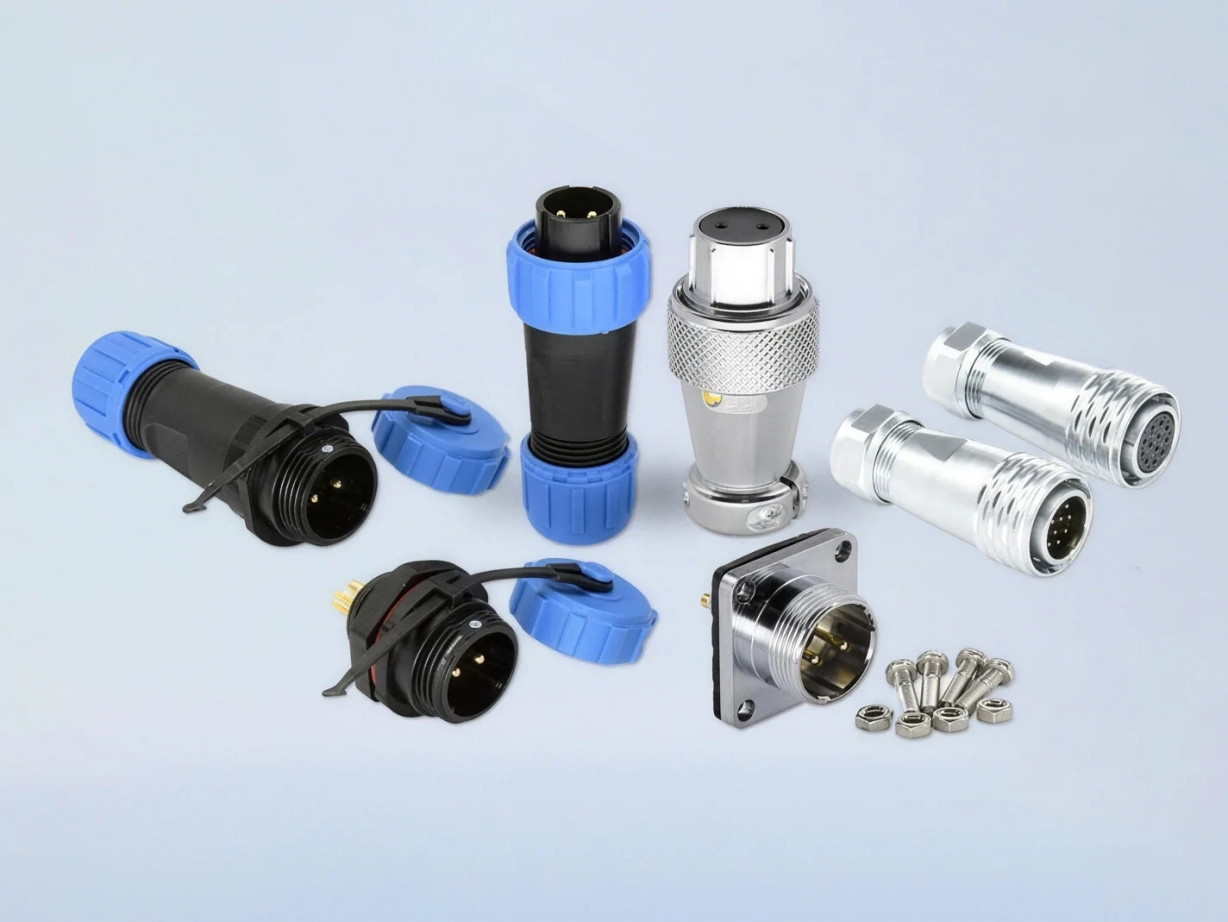

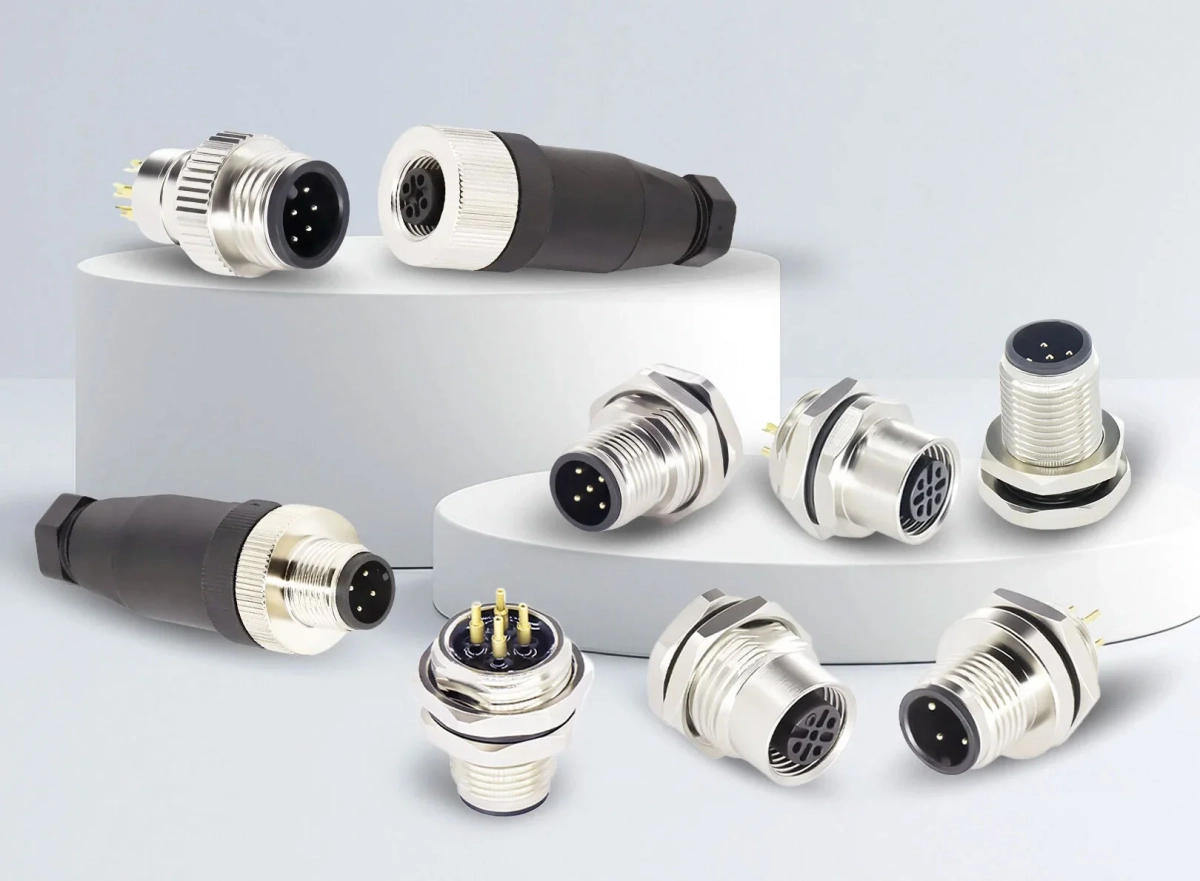
Circular Connectors (M8/M12)
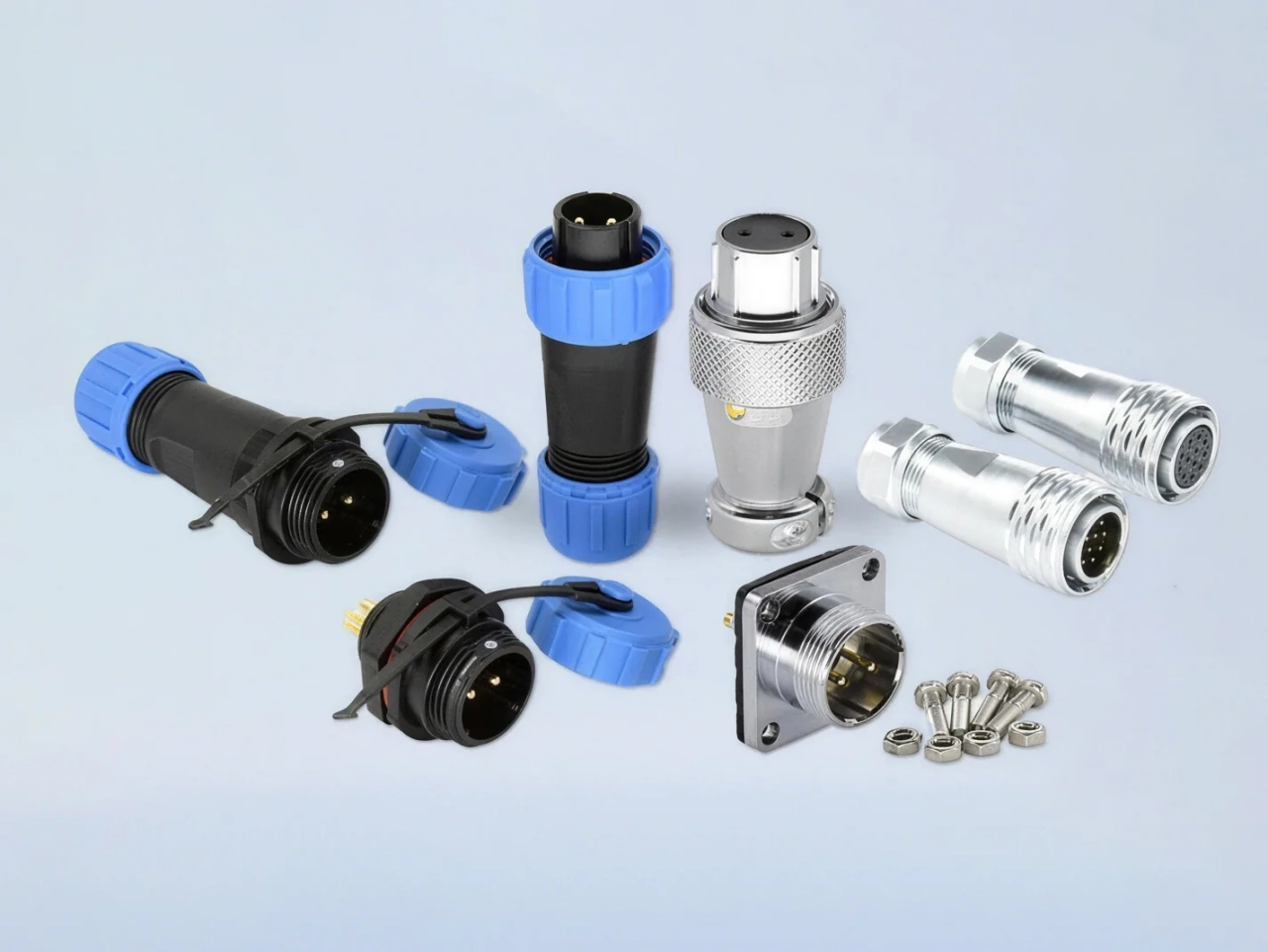
IP67/IP68 waterproof circular connectors with A/B/D/X coding for industrial Ethernet, sensor and power applications

An energy storage system integrator deploying outdoor storage cabinets for a photovoltaic power station faced three critical connector challenges: (1) Reliable cell-level voltage and temperature sampling in confined battery module spaces with minimal signal loss, (2) IP68-rated high-current connectors for main power circuits that maintain low contact resistance over years of outdoor service in -20°C to +55°C environments, (3) Modular BMS architecture requiring different connector types at each hierarchy level (cell → module → BMS → PCS → EMS) while maintaining a simplified supply chain.
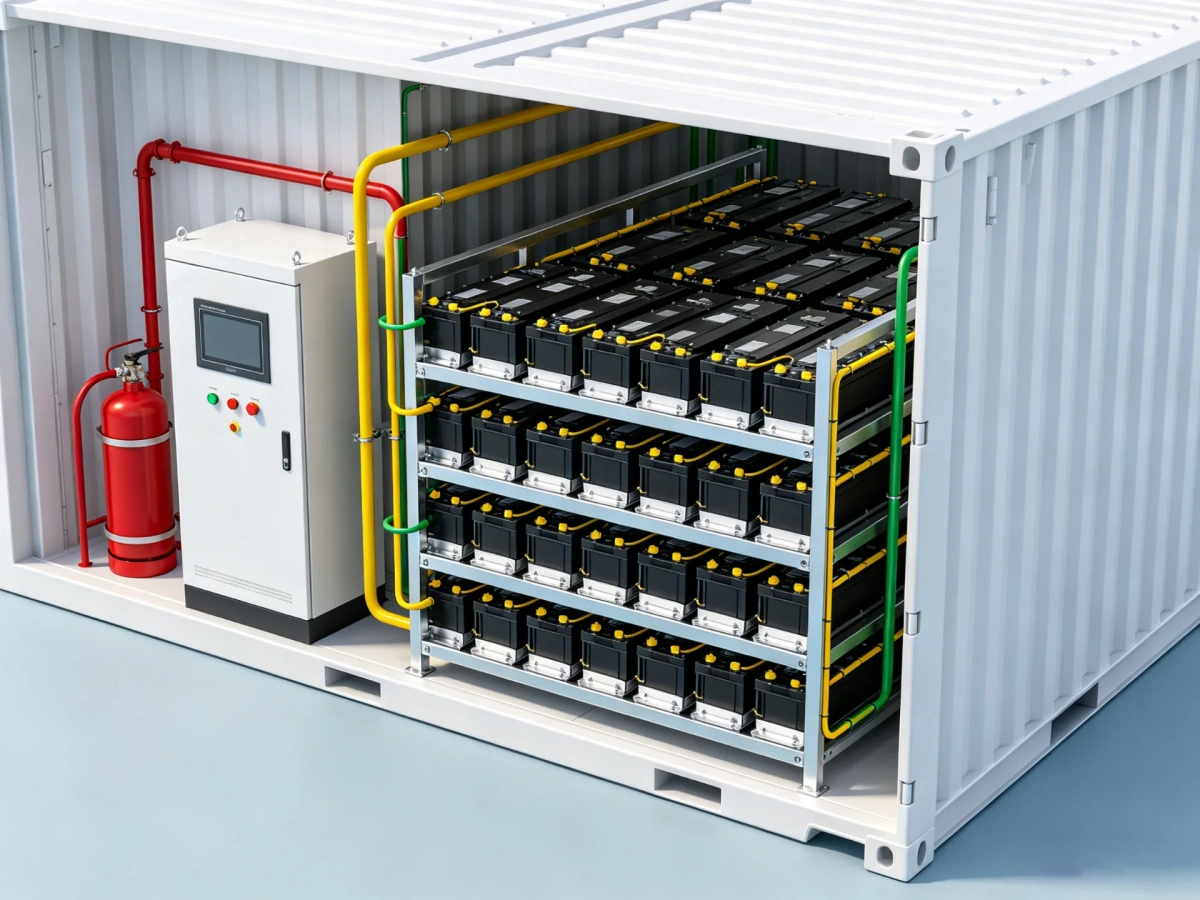
We designed a five-layer hierarchical connectivity architecture: Battery Cell/Module Level — A1002 series (1.0mm pitch) for individual cell voltage and temperature sampling. Ultra-compact footprint for confined battery module spaces. Module-to-BMS Level — A2001/A2002 series (2.0mm pitch) with positioning walls for module-to-BMS acquisition board connections, providing mechanical stability under vibration. BMS Board Level — A2501 series (2.54mm pitch) for board-to-board connections and auxiliary power interfaces. High-Power BMS — ES01 rectangular floating blind-mate connector (200A) for simultaneous power and signal transmission, floating mechanism eliminating tolerance issues during blind-mating. PCS/EMS & Main Power — DP21 2-3 pin high-current connectors (up to 30A) for main DC bus, DP29 multi-pin for PCS communication and EMS external interfaces, all with IP68 protection for outdoor installation.
ASingle-source supply for all five hierarchy levels reduced procurement lead time from 6 weeks to 2 weeks. A1002 cell sampling connectors achieved <0.5mΩ contact resistance variance across 10,000+ connections, ensuring BMS measurement accuracy within ±2mV. DP21 main power connectors passed 2,000-hour salt spray testing and 500 thermal shock cycles (-40°C to +85°C) without degradation. IP68 outdoor connectors showed zero field failures after 18 months of continuous outdoor operation. Modular BMS architecture enabled 40% faster cabinet assembly compared to hardwired approach.

Related Solutions
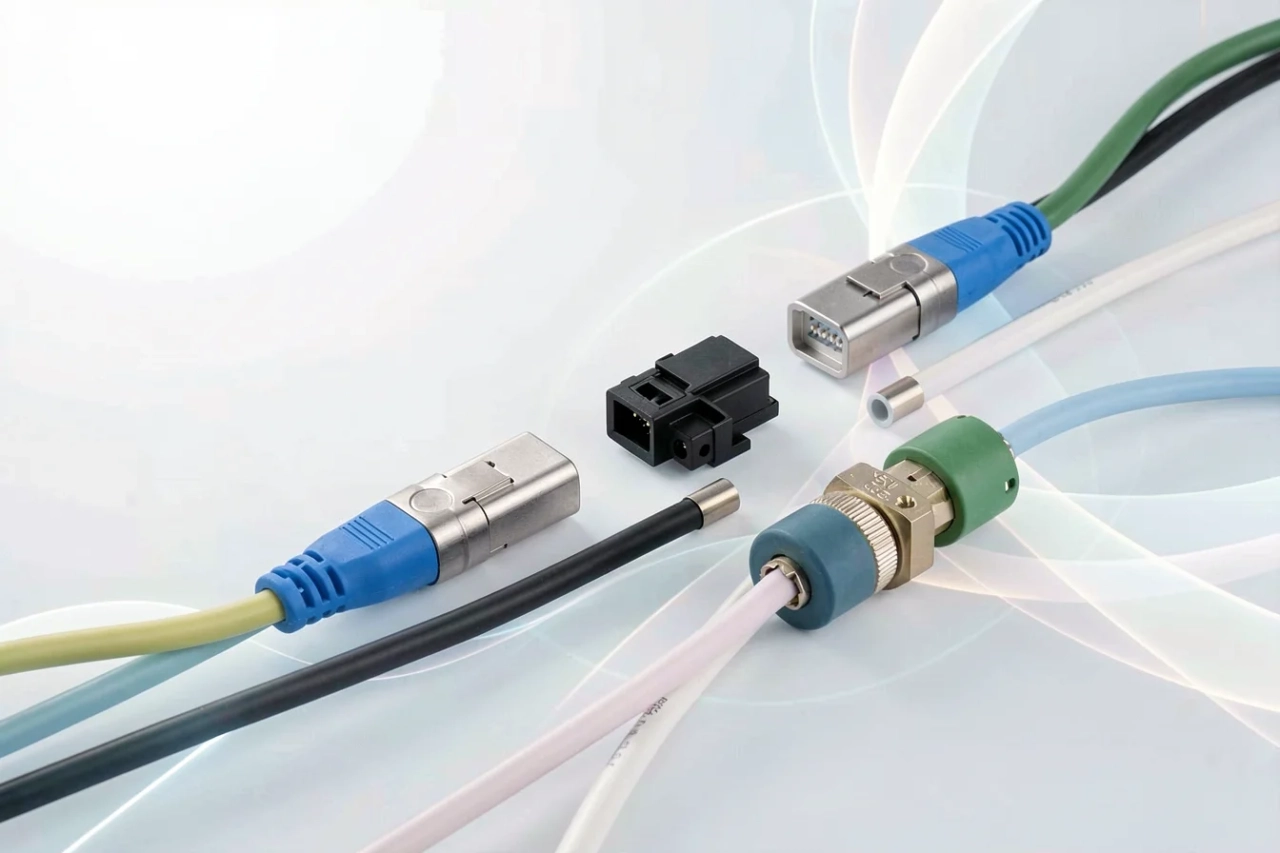
Wire-to-Board for BMS
Aviation Connectors for Energy